All Categories
Featured
Table of Contents
Conversion rate optimization (CRO) is the process of improving a site or digital product to increase the percentage of users who complete a desired action, whether that's making a purchase, registering, scheduling a demonstration, or moving to the next action in a funnel. Typically, CRO has been defined as modifying elements on website pages to increase conversion rates.
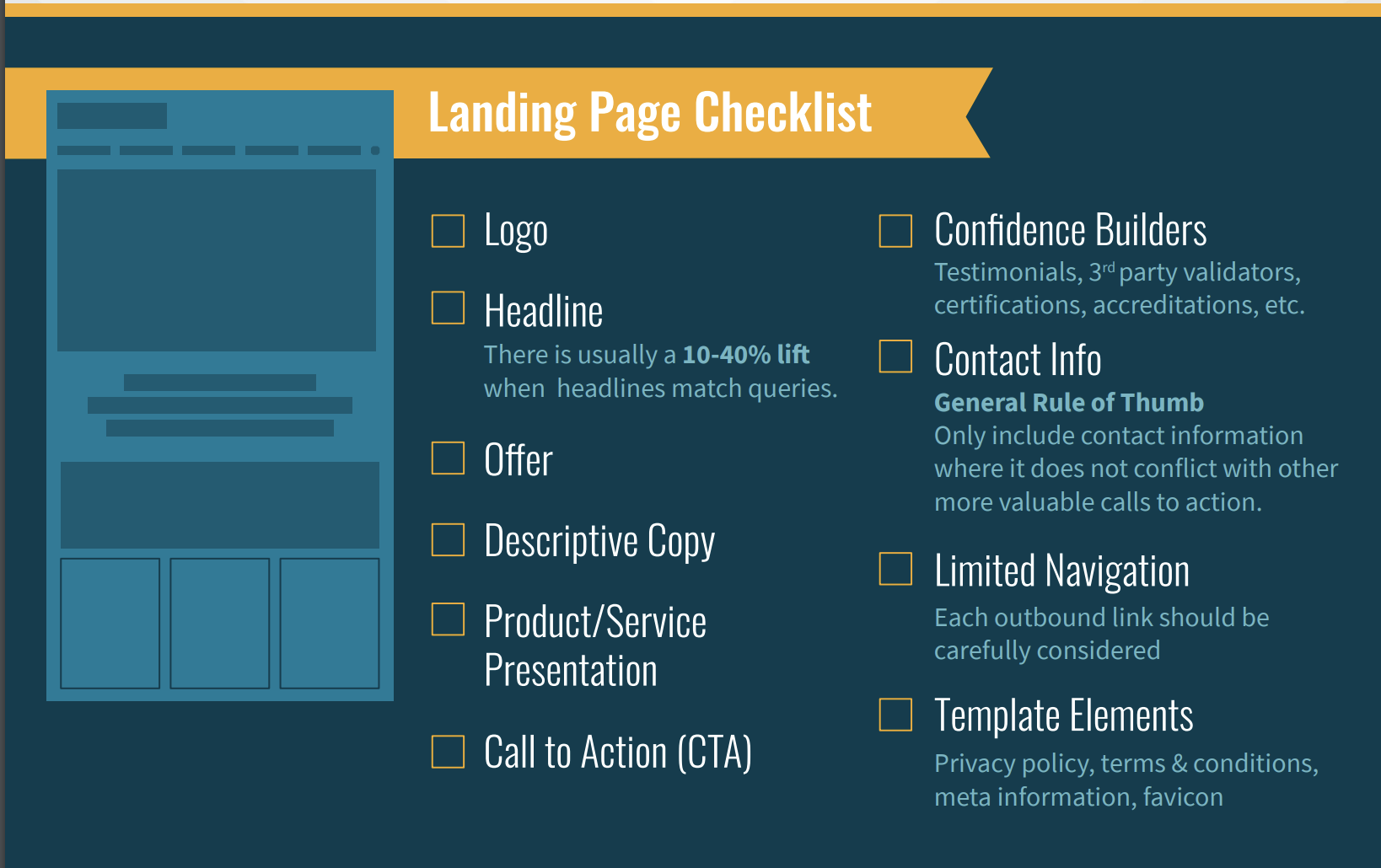
Due to the fact that genuine CRO isn't about randomly tweaking buttons or rewriting headlines. It has to do with comprehending user habits, forming data-backed hypotheses, and running regulated experiments to learn what in fact works. That's where the modern-day view of CRO comes in. In many companies, CRO is dealt with as a marketing technique. Traffic comes in, and the goal is to "convert more of it." So groups test headings, modification CTA colors, or reduce kinds, wishing to improve the portion of visitors who convert.
Which is why knowledgeable CRO professionals progressively choose another term: Experimentation is the procedure of screening data-driven hypotheses by running regulated experiments. Experiments involve changing specific aspects of a website or product in order to confirm (or invalidate) a clearly specified hypothesis.
Among the results of that learning is typically higher conversions. Conversion lift is a byproduct, not the sole function. If you desire a deeper breakdown of how structured experimentation operates in practice, we've outlined it step by step in our guide to building a product experimentation framework. At its core, experimentation depends on the scientific method: Form a hypothesis based upon data Design an experiment to test it Run the test Examine the results Use the knowing and repeat It's less about "enhancing pages" and more about building a repeatable system for making better choices.
Email Marketing and Automation ServicesModern Methods to Improving Campaign Performance
When CRO is decreased to "improving conversion rates," groups often: Run tests without strong hypotheses Change aspects without measuring impact Focus just on short-term gains Neglect why a variation won or lost But when CRO is approached as experimentation, it ends up being a discipline. A method to lower threat, change presumptions with proof, and create a culture where decisions are tested instead of disputed.
Which distinction shapes whatever else in this guide.
Email Marketing and Automation ServicesThink about your CRO method as the fuel that powers a successful lead management method. Scenario A - Individual X has an interest in the type of items you sell or services you provide might have arrived on a particular page on your site after a search. They browse, aren't able to find the info they were looking for and leave.
Scaling Paid Growth Models Across the United States
The relationship ended before you even had a possibility to start. Situation B - Same Person X has an interest in the type of products you sell or services you use might have landed on a particular page on your website after a search. As the smart marketer you are, you have been taking notice of how users engage with this page.
You then produce an exit pop-up offering Person X a guide on how to resolve the challenges they are currently dealing with. Person X submits the form and downloads the guide. Simply like that, you used information to create a conversion opportunity and created a brand-new lead. Now what? It's common knowledge that producing leads is an important part of service; nevertheless, not everyone knows how to set about transforming these leads into real sales.
Option? Develop an extensive lead nurturing strategy to assist you progress those leads even more down the buyer's journey until they are all set to give you their business. When carried out correctly, a lead nurturing technique can improve lead-to-customer conversion rates, lower the expense of customer acquisition, and accelerate the sales cycle.
Leveraging Predictive Logic to Optimize Media Spend
Consider your CRO technique as the fuel that powers an effective lead management method. Circumstance A - Person X has an interest in the type of items you offer or services you use may have arrived at a particular page on your website after a search. They look around, aren't able to discover the information they were searching for and leave.
The relationship ended before you even had an opportunity to get begun. Situation B - Same Person X is interested in the type of items you sell or services you provide may have arrived at a particular page on your site after a search. As the smart online marketer you are, you have actually been taking note of how users connect with this page.
You then produce an exit pop-up offering Person X a guide on how to fix the obstacles they are presently facing. Person X fills out the type and downloads the guide. Just like that, you utilized information to produce a conversion opportunity and generated a brand-new lead. Now what? It prevails knowledge that generating leads is an important part of organization; nevertheless, not everybody understands how to set about transforming these leads into actual sales.
Key Methods to Improving Ad Performance
Solution? Establish a thorough lead nurturing strategy to help you progress those leads further down the purchaser's journey till they are ready to offer you their business. When implemented properly, a lead nurturing strategy can enhance lead-to-customer conversion rates, lower the expense of customer acquisition, and accelerate the sales cycle.

Latest Posts
Practical Methods to Boosting Ad Performance
Digital Best Practices to Improve 2026 CRO
Maximizing Machine Learning Models for Growth